Beginner Pottery for Kids
Help kids start pottery with simple clay projects, beginner tools, age-friendly kits, safety tips, and ideas for making the first session fun.
Disclosure: This post may contain affiliate links. If you buy through these links, PotteryKey may earn a commission at no extra cost to you. As an Amazon Associate, PotteryKey earns from qualifying purchases.
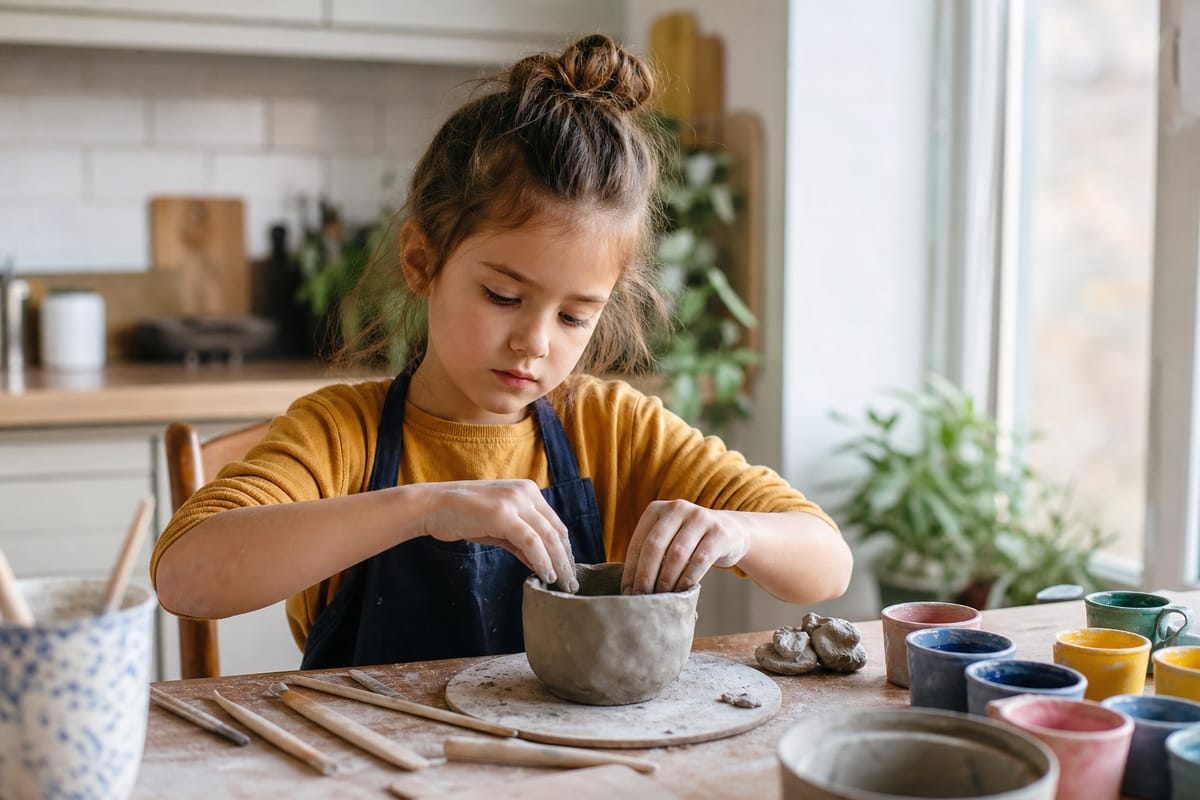
Beginner pottery for kids works best when the first project is simple, short, and age-appropriate. Some kids enjoy pressing and shaping clay by hand, while others want a small wheel kit with a little more structure. The right choice depends on your child's age, patience level, and how much cleanup you want to manage. For a first kit, simple usually beats elaborate, especially if you want the cleanup to stay manageable.
If you are deciding between wheel kits and hand-building, it helps to compare them side by side first. Our guide to pottery wheel vs hand-building for beginners is a useful place to start.
Note: Amazon listings and bundle contents can change, so the product notes below are intentionally conservative. Check the live listing before you buy.
What to Look for in a Beginner Pottery Kit for Kids
Start with age guidance, included materials, and the amount of adult help the kit needs. A child can lose interest quickly if the setup is too fussy, if batteries are not included, or if the project depends on tools they are not ready to handle. A kit that grows with the child can be a better value than one that feels like a one-time novelty.
For a wider shopping checklist, see our post on best pottery tools for beginners and our guide to what to look for when buying a pottery wheel for the first time.
For younger kids, hand-building with pinch pots, coils, or slabs is often the easier route. Older kids may enjoy a starter wheel more, especially if they like guided projects and painting the finished piece later.
Safety matters too. If a kit uses a motor, sharp trimming tools, paint, or dry clay that creates dust, keep the session supervised and follow the maker's material instructions.
Starter Kits to Consider
The kits below are not all the same kind of pottery experience. Some are simple wheel sets, while others lean more toward guided art projects. That is useful if you want to match the kit to the child's age and attention span instead of buying the most complex option.
Faber-Castell Do Art Pottery Studio, Pottery Wheel Kit for Kids
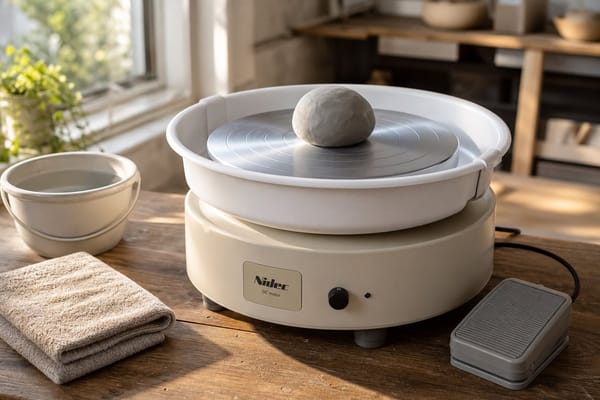
The current listing describes a kid-friendly wheel kit with illustrated instructions, non-toxic dry clay, and acrylic paint. It looks like a reasonable option if you want a guided first project rather than a fully open-ended studio setup. It is the kind of kit that makes sense when a child wants clear directions and a visible finish.
- Listed for ages 6 and up
- Two wheel speeds
- Batteries are not included
- No foot pedal
Cool Maker - Pottery Studio
The listing describes a project-based kit with tools, a spray bottle, clay, and metallic paint. That makes it a practical choice for a child who likes a more playful, craft-style introduction to pottery. This style works well if your child likes repeatable craft steps more than freestyle sculpting.
- Includes multiple projects
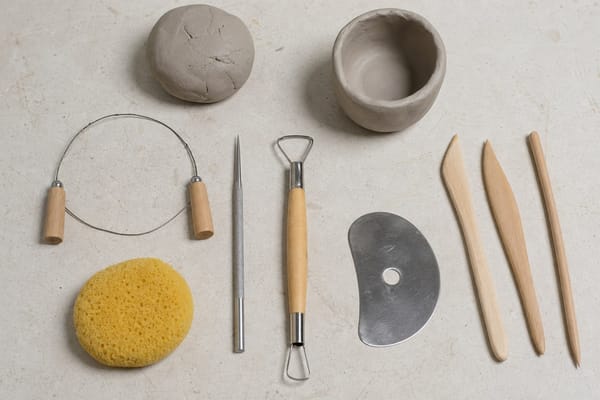
- Includes sculpting and core tools
- Additional projects are sold separately
MindWare Pottery
The current description highlights a left-hand friendly switch, illustrated instructions, and an AC adapter. If you want a wheel kit with a few extra usability features, this one is worth a look. The adapter setup can be easier than battery hunting, but the wheel still needs a stable surface and adult help.
- AC adapter powered
- Has a splatter shield
- Designed for pinch pots and coils
- Like most wheel kits, it still needs patient setup and supervision
Boley Pottery Shop
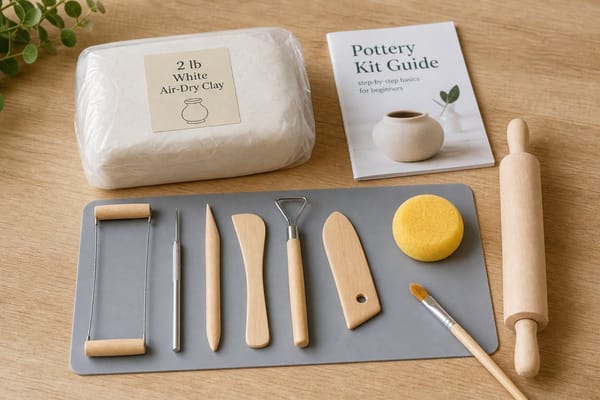
The listing says this kit is aimed at younger kids and includes air-dry clay, carving tools, brushes, and paint. It may appeal to parents who want a lower-pressure introduction with fewer moving parts. That can be useful if you want to test interest before moving to a more feature-heavy kit.
- Listed for younger children
- Includes air-dry clay
- Includes carving tools and paint supplies
IAMGlobal Pottery Studio
The current description points to a basic set with clay, sculpting sticks, and metallic paint. If you want a simpler starter kit rather than a feature-heavy wheel, this is the kind of option to compare. It is better suited to low-pressure experimentation than to a more serious practice routine.
- Simple starter format
- Includes sculpting sticks
- Comes in pink and blue versions
Easy First Projects for Kids
The best first projects are the ones a child can finish in one sitting. Pinch pots, small coil bowls, texture tiles, and name plates are all good starting points. They build confidence without asking for perfect symmetry. A good first session should feel complete in under an hour, including cleanup.
If you want more project ideas, our guide to 7 easy pottery techniques for beginners covers a few simple ways to get started with clay.
Once the piece is dry, paint can make it feel finished without adding much complexity. For color and finishing ideas, see pottery painting ideas for creative ceramic inspiration.
If your child likes reading as much as making, our pottery lovers reading list can also be a nice companion to a weekend pottery session.
Final Thoughts
Beginner pottery for kids works best when the kit matches the child. Younger children usually do better with hand-building and simple air-dry clay, while older kids may enjoy a small wheel kit that gives them a more guided studio feel.
If you want to compare approaches before you buy, revisit pottery wheel vs hand-building and our checklist on the tools most beginners actually need.
Before ordering, check the age guidance, included materials, and seller details carefully so you do not end up with a kit that is more complicated than your child needs. If you are shopping as a gift, it is also worth checking whether clay, paint, brushes, and power sources are included so you do not need to assemble a second shopping list.